
Recognizing that the deepest scars of a disaster are often the ones unseen, the Adventist Development and Relief Agency (ADRA) Philippines convened a critical Psychological First Aid (PFA) training on June 18, 2026, at the Southern Mindanao Mission Headquarters. The urgent initiative comes as a direct response to the devastating magnitude 7.8 earthquake that recently rattled communities across Southern Mindanao, leaving thousands dealing with severe emotional aftermath.
The specialized training successfully equipped more than 200 volunteers, drawing a passionate crowd of educators, young professionals, and youth leaders from various provinces in Southern Mindanao. The primary goal was to arm these frontline responders with the essential skills required to provide immediate emotional and psychosocial relief to families navigating the initial trauma of the disaster.
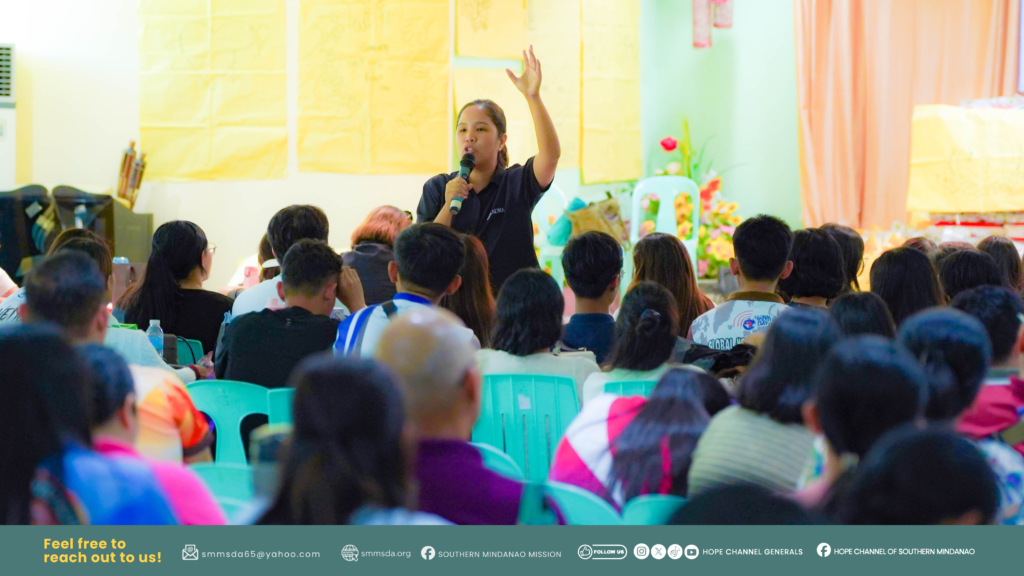
During the intensive sessions, participants were trained to spot the subtle and overt signs of acute emotional distress. The curriculum emphasized practical ways to offer immediate comfort, active listening, and effective coping mechanisms to survivors grappling with the shock of the disaster. Crucially, the volunteers were also instructed on strict referral protocols, ensuring that individuals exhibiting signs of severe psychological trauma can be smoothly directed to advanced mental health professionals.
The need on the ground remains incredibly high. Weeks after the initial tremors, numerous families across the region are still facing the daunting realities of displaced living, ruined homes, lost livelihoods, and the agonizing anxiety triggered by continuous aftershocks. By deploying these PFA-trained volunteers alongside ongoing material relief caravans, ADRA Philippines aims to weave emotional comfort directly into their community assessment and aid distribution loops.

ADRA Philippines estimates that upwards of one thousand earthquake survivors will benefit directly from this psychosocial initiative. Church and agency leaders noted that the training underscores a deeply held conviction: true disaster response must be holistic, pairing physical food packs and financial aid with genuine, compassionate care for the human mind and spirit. As these 200 volunteers prepare to step out into the hardest-hit zones, they carry with them the tools to help Southern Mindanao recover, rebuild, and slowly reclaim a sense of hope and safety.